

πŸš€ Launch with Confidence – 6 Months of Free Post-Launch Maintenance. Explore More
+
πŸš€ Launch with Confidence – 6 Months of Free Post-Launch Maintenance. Explore More
+
πŸš€ Launch with Confidence – 6 Months of Free Post-Launch Maintenance. Explore More
+
πŸš€ Launch with Confidence – 6 Months of Free Post-Launch Maintenance. Explore More
+
πŸš€ Launch with Confidence – 6 Months of Free Post-Launch Maintenance. Explore More
+
πŸš€ Launch with Confidence – 6 Months of Free Post-Launch Maintenance. Explore More
Portfolio
Blogs
Contact Us
Premium Finance provider

Building EasyClaims:
A Digital Insurance Claims Ecosystem

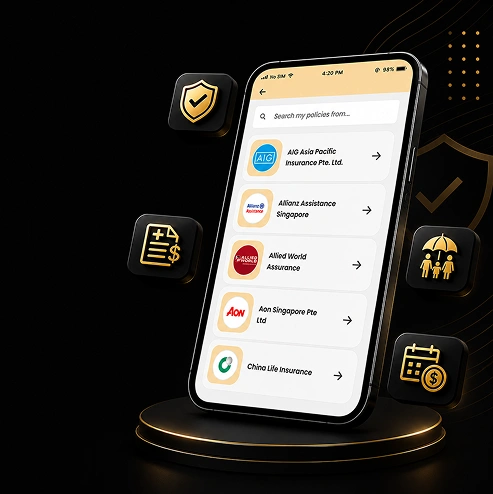
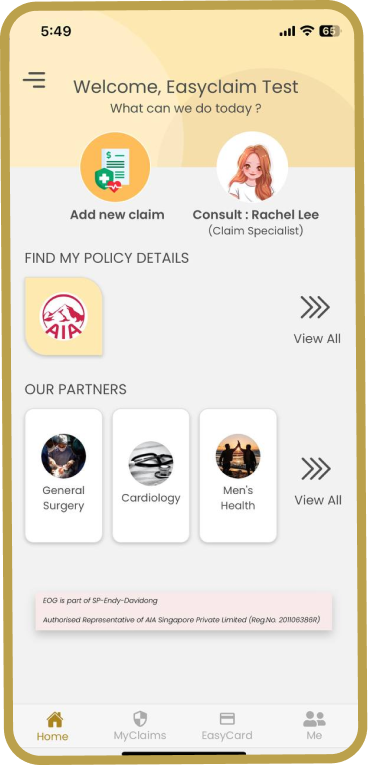
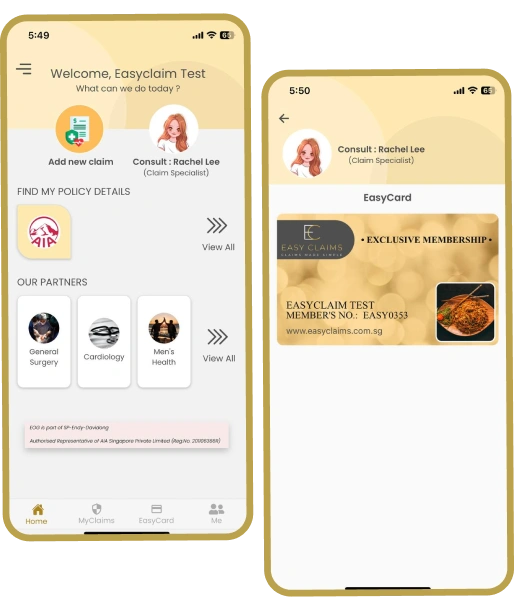
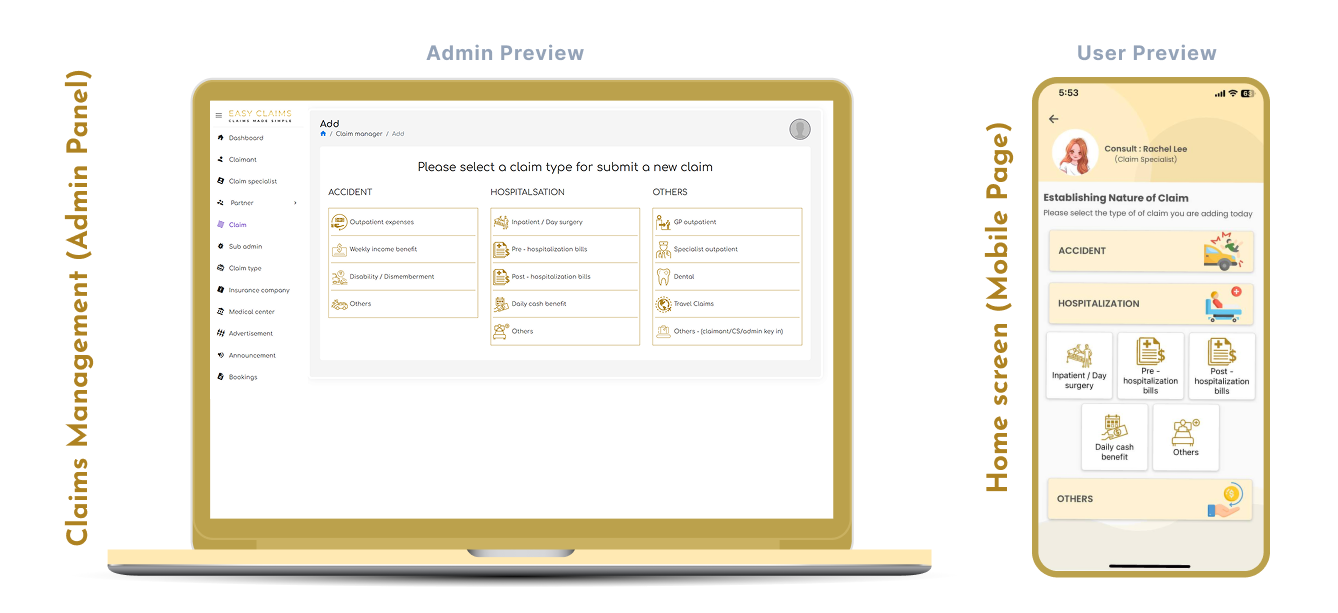
An iOS, Android, and web platform connecting policyholders, medical partners, and insurance administratorsβ€”with real-time claim tracking, multi-consultation management, deadline reminders, and a secure admin panel overseeing nine distinct entity types across the insurance lifecycle.

Insurance Claims Ecosystem

Industry

Insurance & Medical Claims
Management β€” Finance
Insurance Claims Ecosystem

Business Type

Startup
Insurance Claims Ecosystem

Project duration

7 to 9 Months
EasyClaims Insurance Claims
Insurance Claims Ecosystem Insurance Claims Ecosystem

About ClientΒ 

Most people know what it feels like to file an insurance claim after a medical event: a stack of documents from multiple doctors, submission deadlines that vary by policy type, no clear way to track whether anything has been processed, and customer service lines that provide answers in the form of more waiting. EasyClaims was built to fix that experience specifically β€” not to rebuild the insurance industry, but to put a sensible interface in front of the process so that policyholders could manage their claims the way they manage everything else in their lives: from their phone, with clear status information, and without needing to call anyone to find out what was happening.

The platform connected three parties that previously had no shared system. Policyholders needed a place to track their policies, log claims from multiple doctor consultations, set reminders for submission deadlines, and get answers to claims questions without sitting on hold.

About Client Gmta

Why EasyClaims Chose Us

EasyClaims Insurance Claims

Insurance technology sits at the intersection of two demanding domains: financial data handling and medical data sensitivity. The client needed a development partner who understood that this wasn't a standard CRUD application where edge cases could be sorted out post-launch. Claim records, policy documents, and medical consultation data had to be handled correctly β€” securely stored, accurately tracked, and accessible only to the parties who had a legitimate reason to see them.

The three-party architecture was the other complexity that ruled out generic solutions. Off-the-shelf insurance management tools are typically built for one side of the relationship β€” either the insurer's back office or the policyholder's self-service portal. A platform that had to serve policyholders with a mobile-first experience, medical partners with a registration and visibility layer, and insurance administrators with a full management dashboard sharing the same backend was a custom build from the first conversation.

Challenges Addressed by GMTA Software

01 06

Building a Platform for
Insurance, Healthcare, or Claims Management?

Insurance and healthcare platforms have a specific combination of requirements that generic app development does not cover well: sensitive data handling, multi-party access controls, complex business logic around policies and claims, and a user experience that has to work for people dealing with stressful situations. We build what the product needs

EasyClaims Insurance Claims 6 Months Free Maintenance After Launch
Insurance, Healthcare

Our Approach to Building the Li-nk Platform

Role-Based Data Access Architecture Defined First

Role-Based Data Access Architecture Defined First

Before any feature was designed, we mapped every combination of user type and data type and defined what each could see and what each could act on. Policyholders could see their own claims, their own policy information, and the medical partners registered in their city. Claim specialists could see claims assigned to them, with enough supporting documentation to process a settlement, but not the full user account history. Medical partners had visibility into claims initiated against their institution. Super admins had full access; sub-admins had configurable scopes.

01
Claim Data Model Designed for Multi-Consultation Reality 02

Claim Data Model Designed for Multi-Consultation Reality

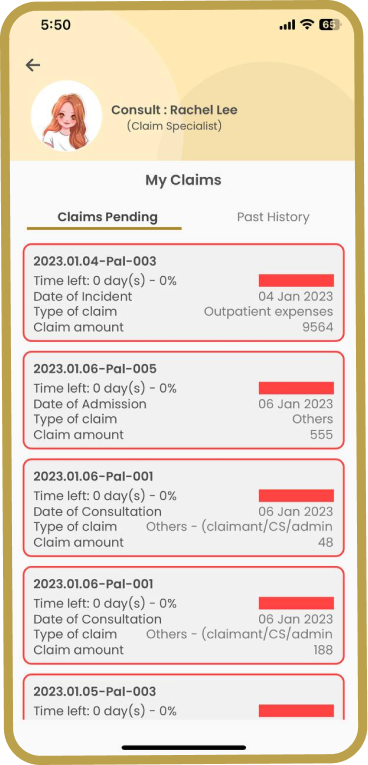
The claim data model treated a claim as a container that could hold multiple consultation events, each with its own document set, date, medical partner reference, and processing status. At the top level, the claim showed its overall status and total amount. Drilling in revealed the individual consultations and their component statuses. This hierarchy was reflected in both the user interface β€” which showed a clean summary at the top level with expandable detail β€” and the admin workflow, where claim specialists could process each consultation event as it was documented rather than waiting for all documentation to arrive before starting.

Policy-Aware Reminder Engine 03

Policy-Aware Reminder Engine

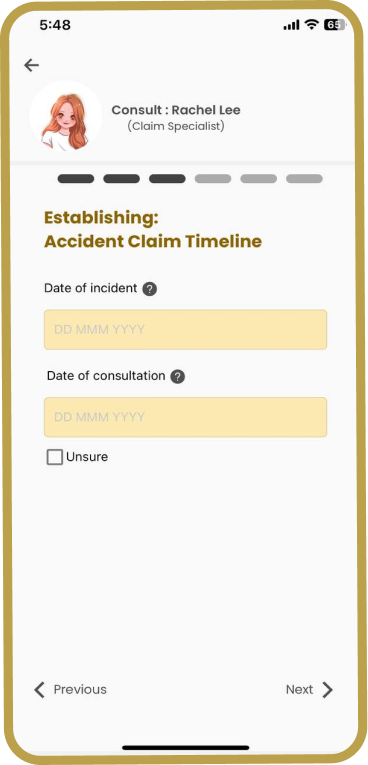
The reminder system was built against the claim type rather than against a fixed calendar. When a claim was initiated, the system identified the claim type, retrieved the associated submission window from the admin-configured claim type settings, calculated the deadline from the event date, and scheduled reminders at defined intervals before that deadline. Default intervals were set at seven days and two days before expiry, with a final day-of reminder. The claim type configuration in the admin panel lets the operations team adjust submission windows when policy rules change, without requiring a development change to the reminder logic.

Admin Workflow Designed to Generate Real-Time Status Events

Admin Workflow Designed to Generate Real-Time Status Events

Every action a claim specialist took in the admin panel β€” reviewing documentation, requesting additional information, approving a settlement component, issuing a payment β€” was designed as a status event that triggered an immediate update through the backend. The user's claim detail screen reflected the new status within seconds. Firebase handled push notification delivery to both iOS and Android, with notification copy specific to each status type rather than a generic message. This made the real-time claim status feature a genuine product differentiator rather than just a UI label that lagged behind reality.

04
Insurance Claims Ecosystem Li-nk

Process We Followed

01  Discovery, Data Architecture, and Access Matrix  Discovery, Data Architecture, and Access Matrix
Discovery, Data Architecture & Access Matrix

Discovery, Data Architecture, and Access Matrix

Full three-party user journey mapping, role-based data access matrix documentation for all user types across all data entities, claim data model design with multi-consultation hierarchy, reminder engine logic specification per claim type, PostgreSQL schema design covering all nine entity types and their relationships, and API contract definition for both mobile apps and the admin panel. The city and service configuration data model was finalised. No development began until the access matrix and data model were agreed and signed off β€” changes to these structures after build commencement would have been expensive.

  • Three-party workflow mapping across all stakeholders
  • Role-based access matrix for every user
  • Multi-consultation claim hierarchy data model
  • PostgreSQL schema with relational integrity
02  Backend API and Core Logic  Backend API and Core Logic
Backend API and Core Logic

Backend API and Core Logic

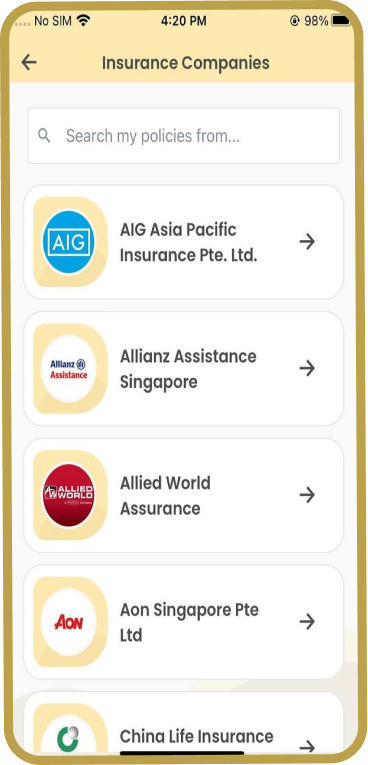
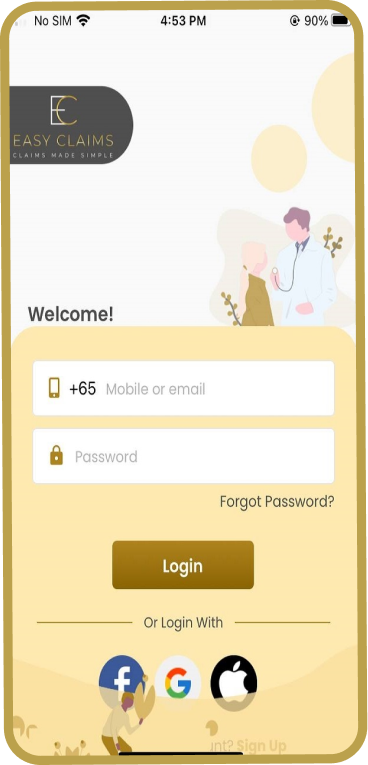
The Laravel API was built covering authentication (JWT with role-based token payloads), policyholder accounts, claim creation and multi-consultation grouping, claim type management with submission window configuration, medical partner and insurance company registration, reminder scheduling engine, real-time status event system, city and service configuration layer, and announcement management. PostgreSQL was set up with the nine-entity relational model and indices tuned for the cross-entity queries the admin panel required. Firebase Cloud Messaging was integrated for real-time status push notifications. A load balancer was configured for the three-surface concurrent traffic.

  • JWT authentication with secure role-based access
  • Multi-consultation claim grouping and scheduling engine
  • Real-time Firebase status updates for users
  • City, partner, and announcement management system
03 iOS and Android App Development iOS and Android App Development
iOS and Android App Development

iOS and Android App Development

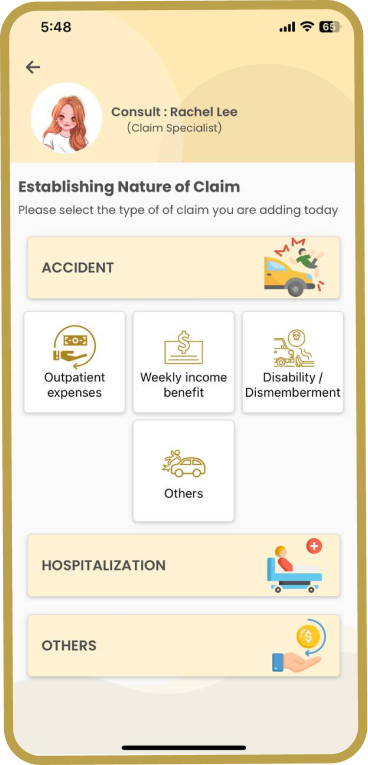
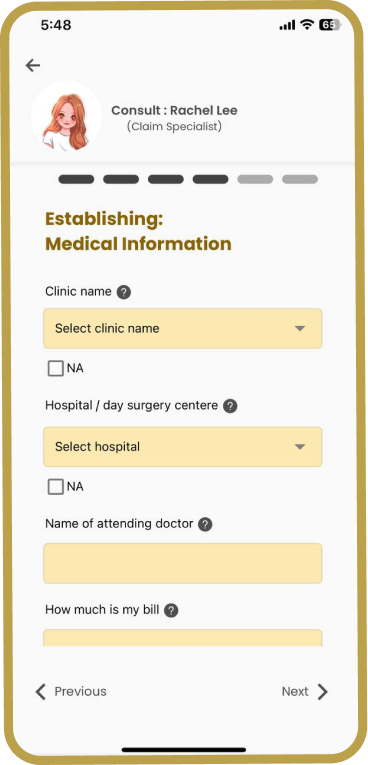
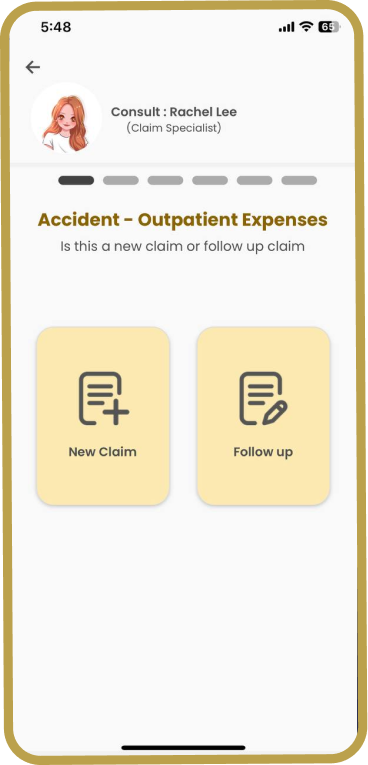
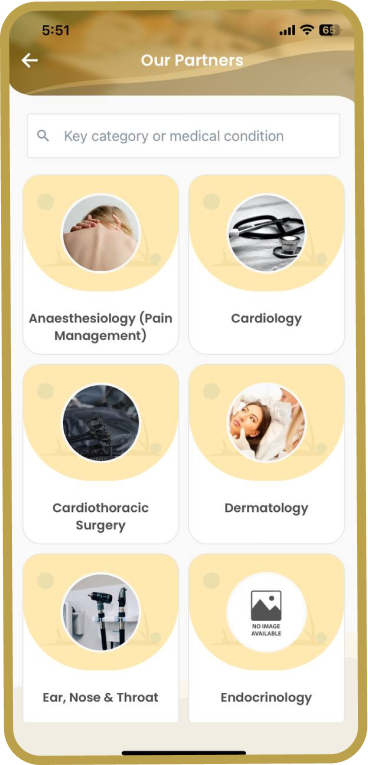
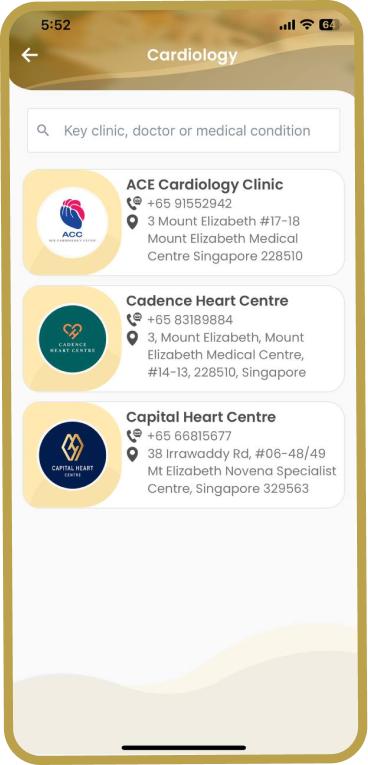
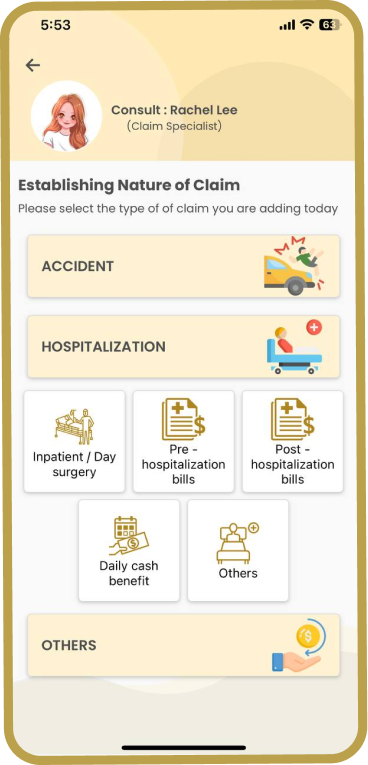
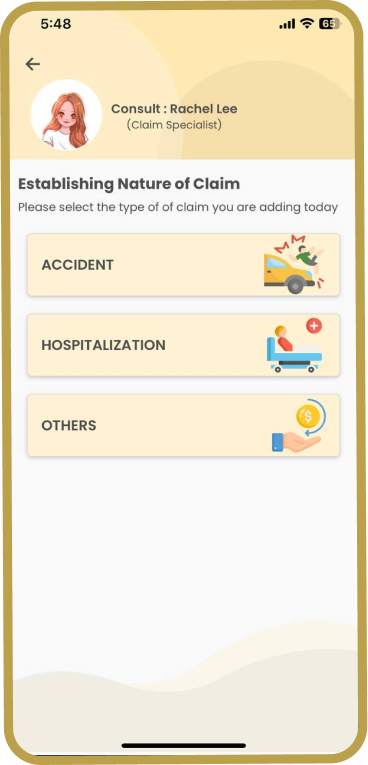
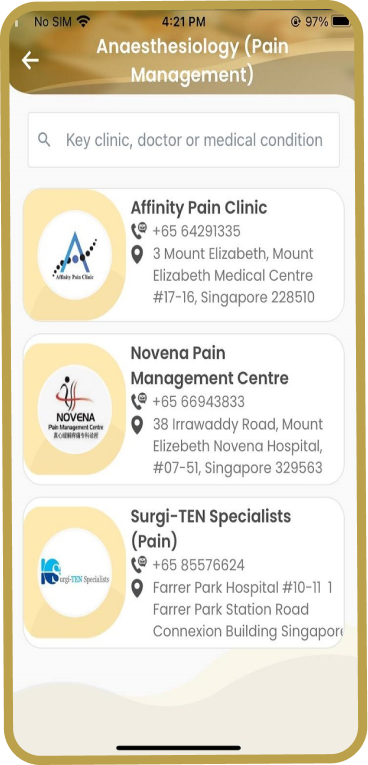
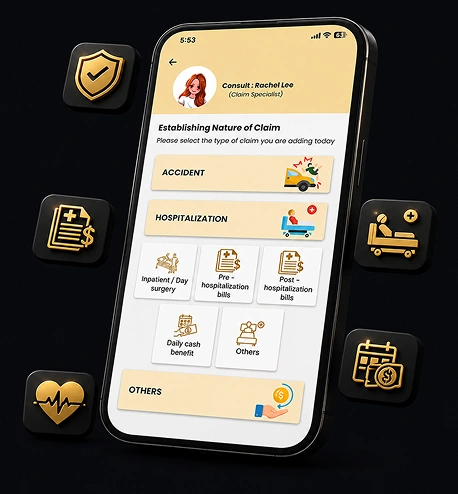
Native iOS and Android applications were developed in parallel against the shared API. Claim initiation flow, multi-consultation tracking interface, real-time status screens, policy information views, medical partner directory with city-filtered search, reminder management, claim history, and push notification handling were all built and integrated. Document upload functionality was tested across both platforms for the range of file types insurance documentation typically requires β€” PDFs, images of physical documents, and hospital-generated reports.

  • Claim initiation and consultation tracking system
  • Real-time claim status updates without refresh
  • City-filtered medical partner claim initiation
  • Instant partner-based claim request submission

Impact on EasyClaims

Entity Types Managed 9

Entity Types Managed

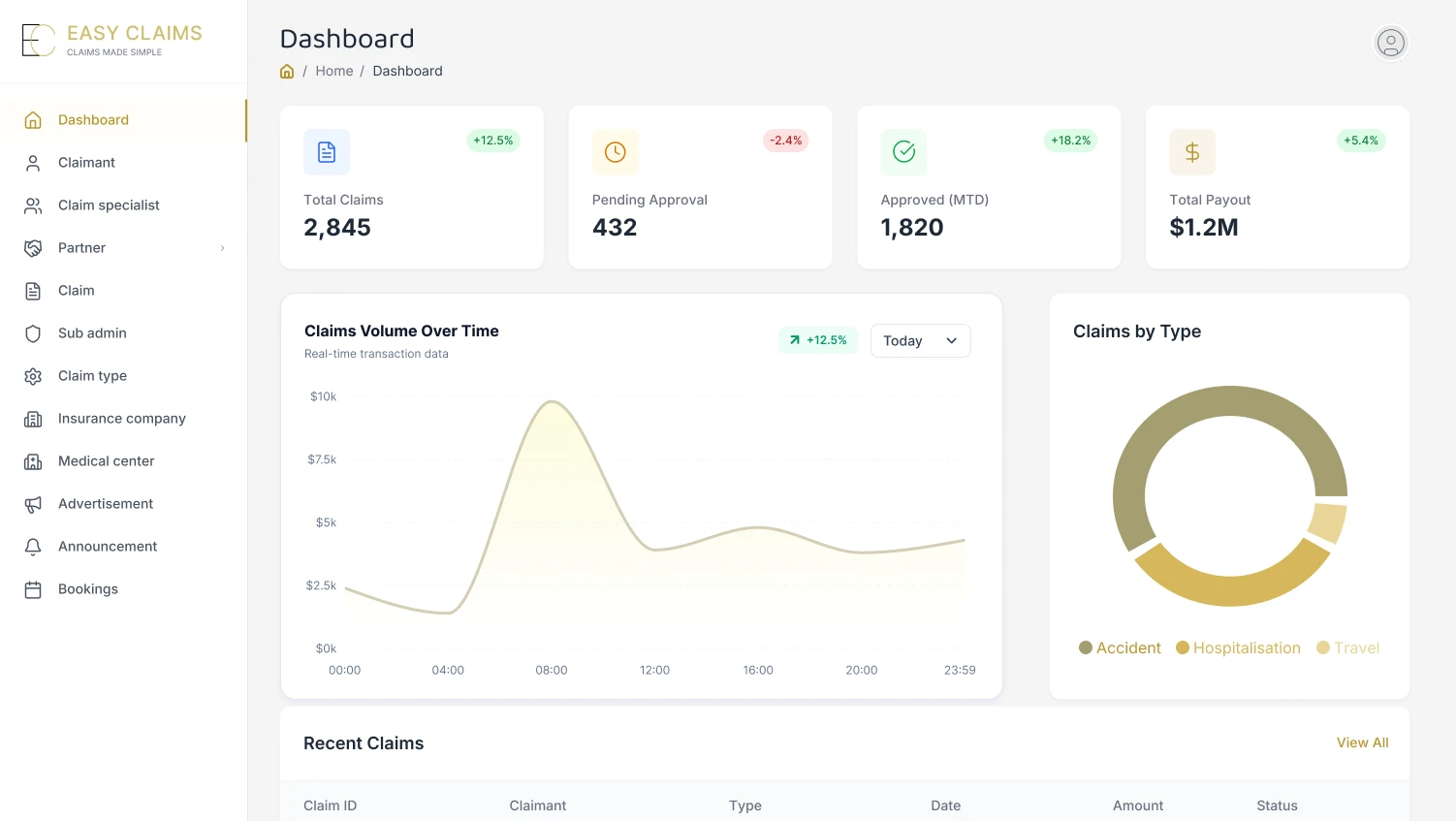
Claimants, specialists, partners, claims, sub-admins, claim types, insurers, medical centers, and bookings β€” all from one panel.

Party Platform Architecture 3

Party Platform Architecture

Policyholders, medical partners, and insurance administrators are connected through a single shared backend.

Claim Status Propagation 100%

Claim Status Propagation

Admin action to user push notification in seconds β€” no batch updates, no manual status emails.

Your Claims Platform Could Be
The Next Success Story

You've seen how EasyClaims was built from concept to a live three-party insurance platform with real-time claim tracking, policy-aware reminders, and a nine-entity admin panel. Let's discuss how we can build a claims or healthcare solution tailored to your marke

Next Success Story
Gmta Location
Jaipur

Jaipur

C-305, 2nd Floor, Jan Path, Nirman Nagar, Jaipur, Rajasthan 302019

Bengaluru

Bengaluru

No. 4C-432, 2nd Floor, 2nd block, HRBR Layout, Kalyan Nagar, Bengaluru, Karnataka, India 560043

Singapore

Singapore

55 Serangoon North Avenue 4 (S9) #09-01 Singapore 555859

USA

USA

5214F Diamond Heights Blvd #3136 San Francisco, CA 94131 United States

Japan

Japan

1 Chome-2-9 Minato City Tokyo, Japan γ€’105-0021

Γ—
CallCall
Whatsapp Whatsapp
Email Email